
Project Description
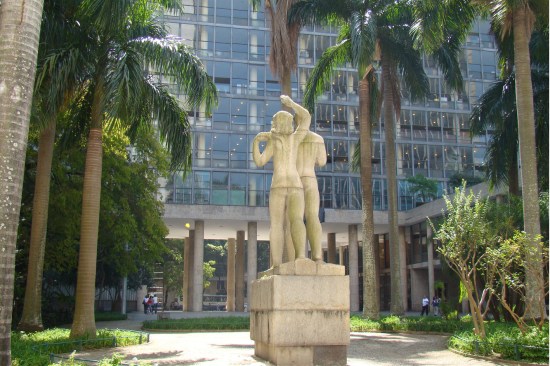
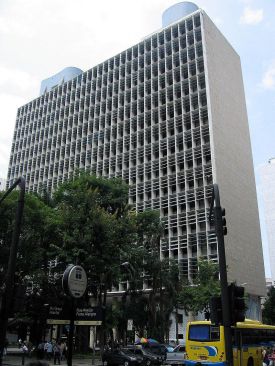
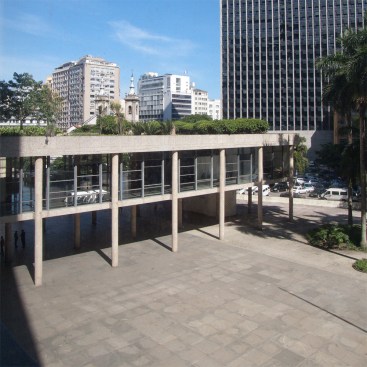
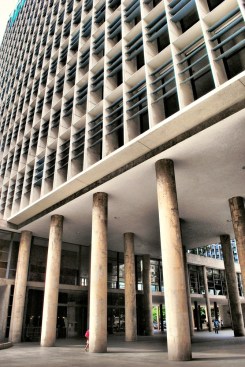
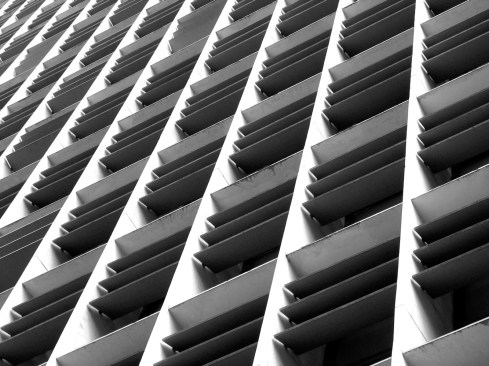
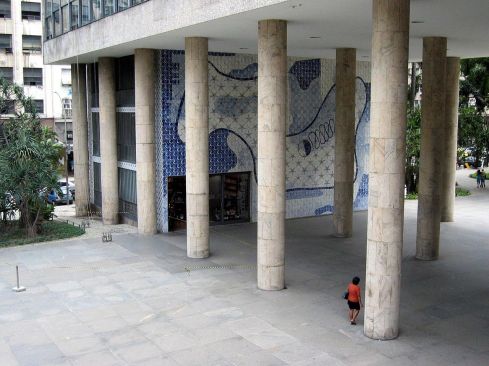
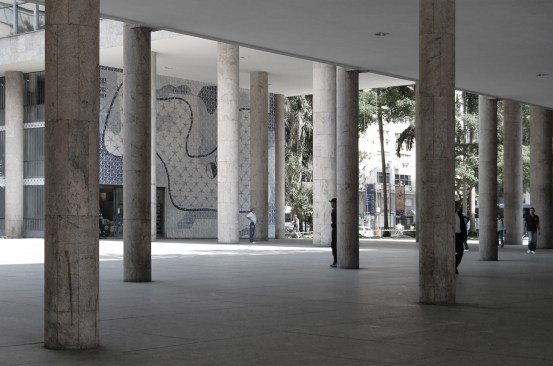
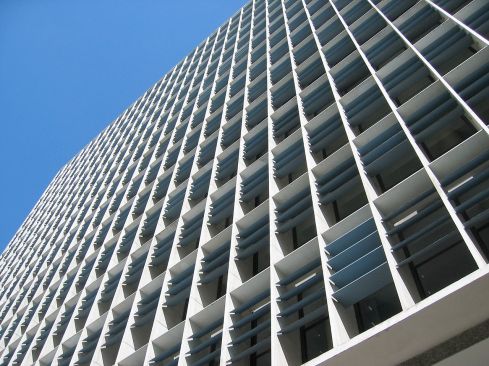
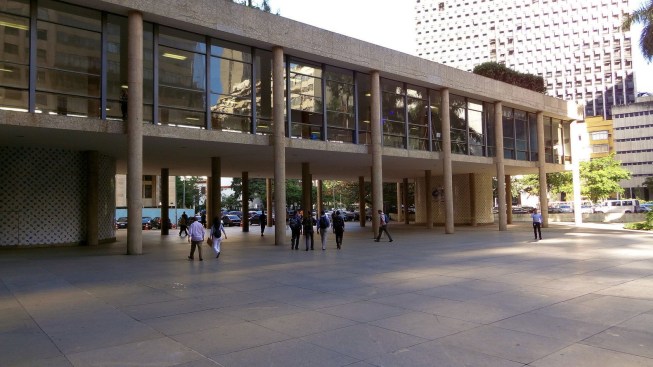
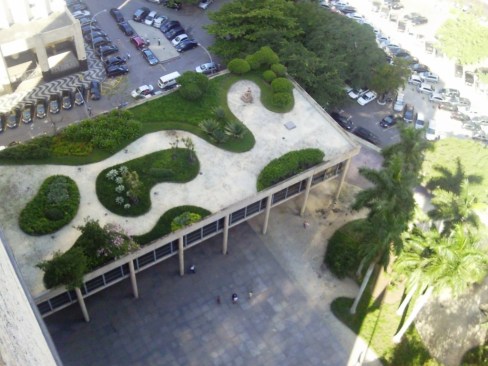
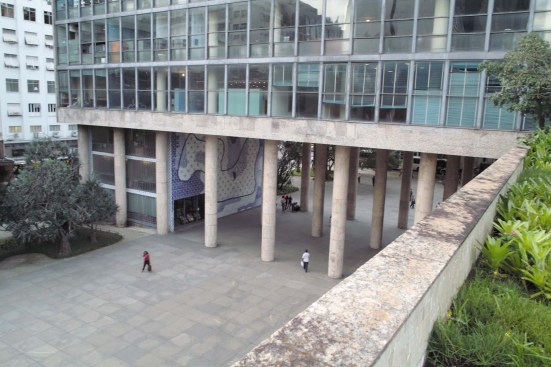
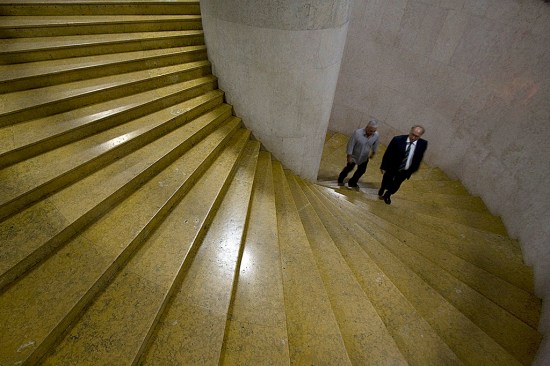
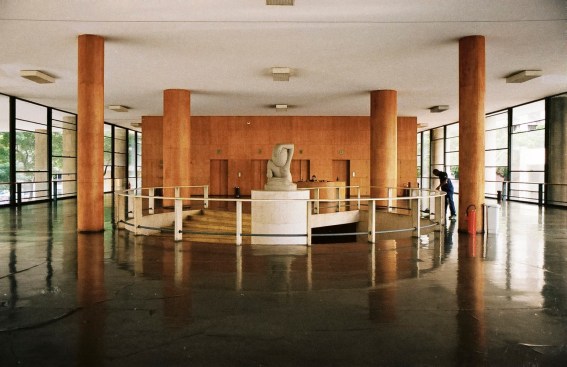
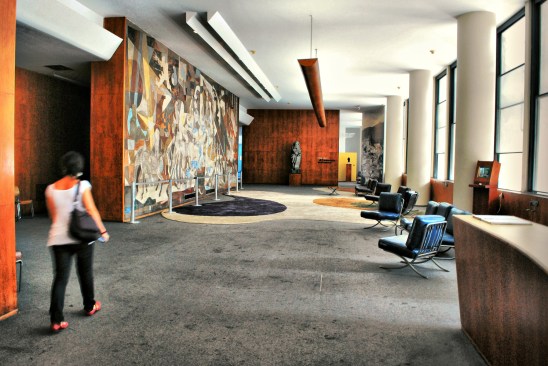
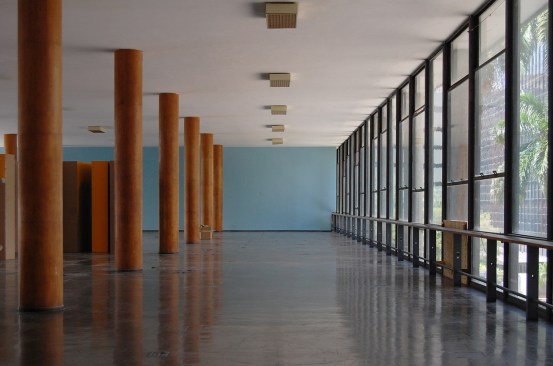
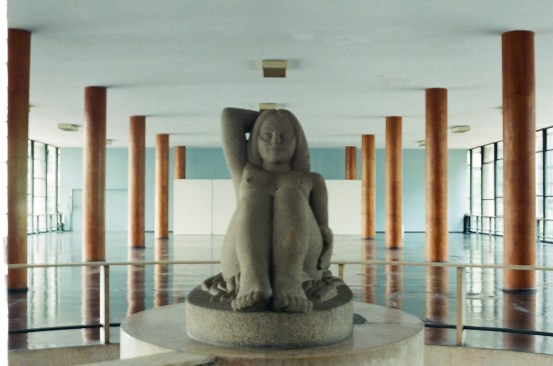
Gustavo Capanema Palace is one of the earliest examples of Modernist architecture in Brazil. Home to the country's Ministry of Education and Health, the building was a collaboration between some of the nation's finest designers at the time of its design in the 1930s: Lúcio Costa, Carlos Leão, Jorge Machado Moreira, Affonso Eduardo Reidy, Ernani Vasconcelos, Roberto Burle Marx, and Oscar Niemeyer, then an intern at Costa's firm. Le Corbusier was invited to oversee the project's construction, which wrapped in 1943.
FROM OSCAR NIEMEYER:
“Architecture in Brazil, overcoming the stage of orthodox functionalism, is now in search of plastic expressions. It is the extreme malleability of present construction methods together with our instinctive love for the curve—a real affinity with the baroque of our colonial times—which suggests the unfettered forms of a new and amazing plastic vocabulary. Based not on whim but on contemporary technology, creatively applied to the solution of spatial problems, a true architecture emerges —a real work of art.
The artist today is no longer the ‘misunderstood genius’ of the past century. He is a normal being who looks straight at life and at his fellow men, thoroughly aware of the problems of a contemporary society from which he had previously so completely disengaged himself. His work now acquires a truly human significance. He knows that his art is only a complement to the more fundamental issues, and this is—however strange it may seem—the source of his creative strength.”