2018 R+D Introduction and Jury
From more than 100 submissions, the jury recognized 10 entries whose purpose, process, and innovation exemplify architecture's multidisciplinary potential.
Read More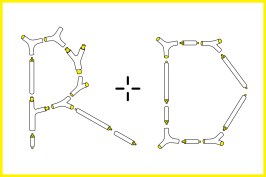

From more than 100 submissions, the jury recognized 10 entries whose purpose, process, and innovation exemplify architecture's multidisciplinary potential.
Read More To preserve and promote indigenous marine life, the Architectural Ecologies Lab at the California College of the Arts turned to the phenomenon of biofouling.
Read More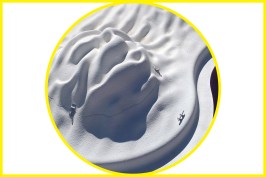
University of Michigan faculty members Steven Mankouche, Peter von Bülow, and Kasey Vliet leverage the inherent strength of tree crotches to create 3D structures.
Read More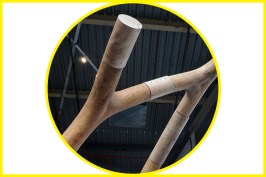
In searching for a product with the strength of concrete but flexibility of wood framing, Francisco Gomes and Dabney Staub created their own building block.
Read More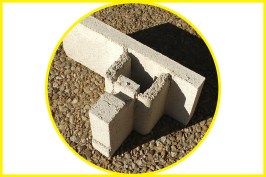
University of Michigan faculty members Tsz Yan Ng, Wesley McGee, and Asa Peller take the age-old process to the next level: automation.
Read More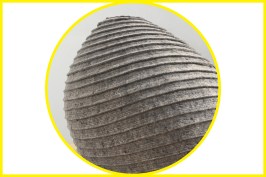
Aptum Architecture, in Syracuse, N.Y., and global concrete manufacturer Cemex create a 10-foot-tall pavilion with walls that are a mere 2 centimeters thick.
Read More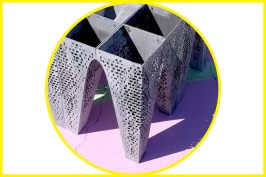
Automation helped Morphosis and A. Zahner Co. realize a bespoke rainscreen for the innovative academic building in New York.
Read More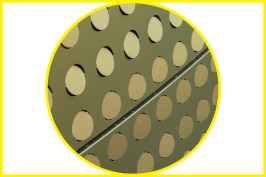
For Harvard University's Paulson School of Engineering and Applied Sciences, Behnisch Architekten created a system that would minimize the building's energy load and maximize visual interest.
Read More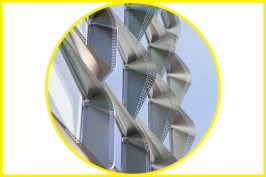
As part of Perkins+Will's effort to make the construction process more transparent, the firm created a free, online database of materials and chemicals often found in building products.
Read More
University of Michigan assistant professor Sean Ahlquist explores the impact of architecture on autism and sensory processing disorder.
Read More