Launch Slideshow

Tiffany's Organic Idyll

The full impact of Tiffany's vision played out at Laurelton Hall, his 600-acre estate on the north shore of Long Island in New York.

Tiffany's Organic Idyll

The full impact of Tiffany's vision played out at Laurelton Hall, his 600-acre estate on the north shore of Long Island in New York.

  • http://www.architectmagazine.com/Images/tmp929D%2Etmp_tcm20-159548.jpg

    600

    Metropolitan Museum of Art

  • http://www.architectmagazine.com/Images/tmp92A0%2Etmp_tcm20-159569.jpg

    600

    Ispanic Society of America

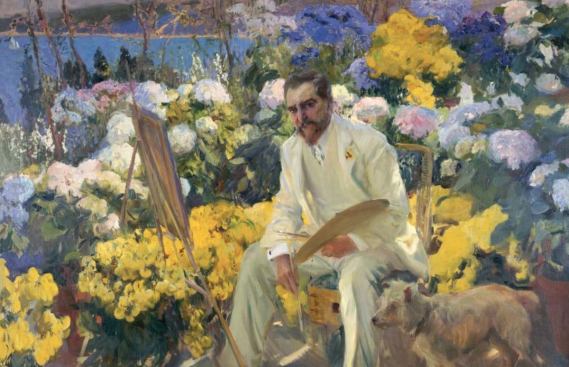
    A master of style, Louis Comfort Tiffany (1848-1933) was 63 when he posed in the gardens of Laurelton Hall for this portrait by Joaquín Sorrolla y Bastida.

  • http://www.architectmagazine.com/Images/tmp92A1%2Etmp_tcm20-159576.jpg

    600

    Metropolitan Museum of Art

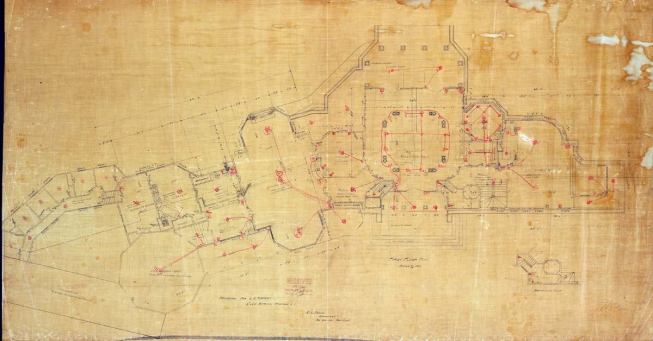
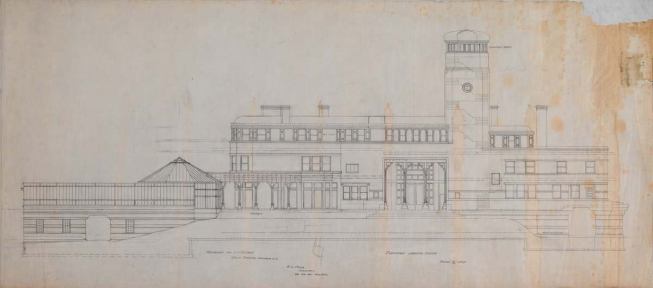
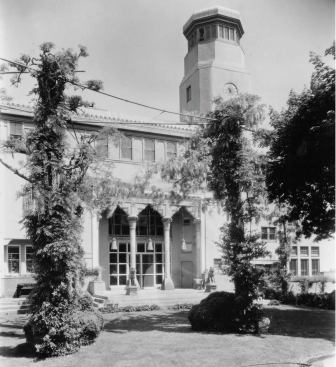
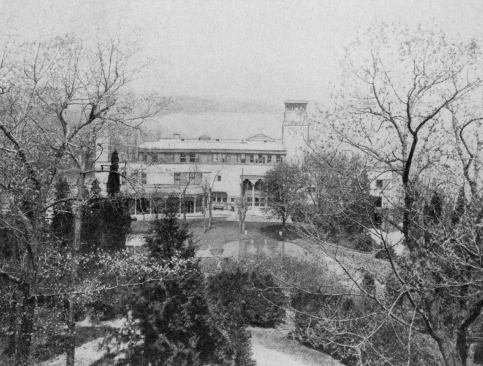
    To design his exotic 84- room country house in Cold Spring Harbor, Long Island, N.Y., Tiffany borrowed architectural elements from the Orient. An elevation with the notation "looking south," shows R. L. Pryor as the architect of record.

  • http://www.architectmagazine.com/Images/tmp92A2%2Etmp_tcm20-159583.jpg

    600

    Metropolitan Museum of Art

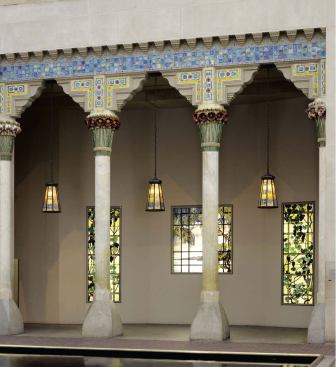
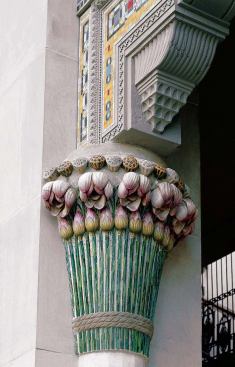
    A vintage photograph records the grandeur of Laurelton Hall's special effects, including a four-column loggia decorated with colored glass and pottery capitals in the form of flowers.

  • http://www.architectmagazine.com/Images/tmp92A3%2Etmp_tcm20-159590.jpg

    600

    Metropolitan Museum of Art

    Fire ravaged the estate, but elements of the loggia were salvaged and resurrected in 1980 in the Charles Engelhard Court of the Metropolitan's American Wing, a gift of Tiffany collectors Hugh F. and Jeannette G. McKean. The Charles Hosmer Morse Museum of American Art, which Jeannette McKean founded in Winter Park, Fla., shared its holdings to produce the Metropolitan museum's exhibition.

  • http://www.architectmagazine.com/Images/tmp92A4%2Etmp_tcm20-159597.jpg

    600

    Metropolitan Museum of Art

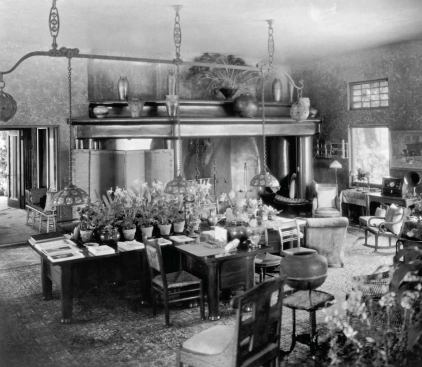
    Tiffany selected every detail and feature of his interiors to create a harmonious environment. For the dining room, he combined floral patterned walls and leaded glass windows trailing with wisteria vines to obscure the boundary between indoors and out.

  • http://www.architectmagazine.com/Images/tmp9042%2Etmp_tcm20-159532.jpg

    600

    Barbara Karant / Karant + Associates

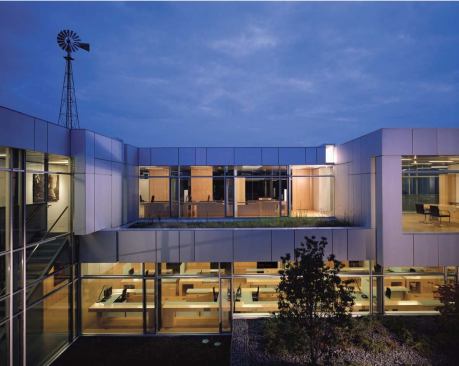
    The new offices face either the central courtyard or a restored wetland to the south. The subtle palette of glass and custom light-gray recycled aluminum panels complements the stone of the original Brooks Farm.

  • http://www.architectmagazine.com/Images/tmp92A5%2Etmp_tcm20-159604.jpg

    600

    Metropolitan Museum of Art

    Terrraced gardens descended from the mansion to a private beach on Long Island Sound, past stables, tennis courts, greenhouses, a chapel, a studio, and an art gallery.

  • http://www.architectmagazine.com/Images/tmp92A7%2Etmp_tcm20-159619.jpg

    600

    Metropolitan Museum of Art

    From the loggia to the Daffodil Court, profusions of flowers ornamented column capitals in glass and terracotta relief.

  • http://www.architectmagazine.com/Images/tmp929E%2Etmp_tcm20-159555.jpg

    600

    Charles Hosmer Morse Museum of American Art

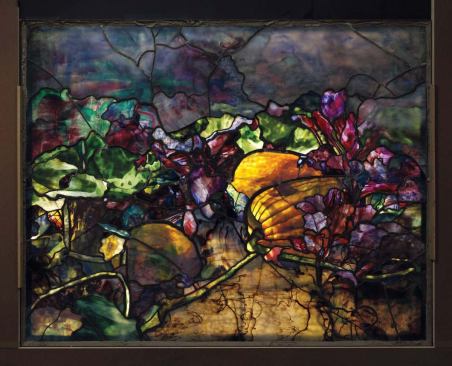
    Tiffany installed leadedglass exhibition windows, including the Pumpkin and Beet window, created for the 1900 Exposition Universelle in Paris, in his living hall.

  • http://www.architectmagazine.com/Images/tmp929F%2Etmp_tcm20-159562.jpg

    600

    Charles Hosmer Morse Museum of American Art

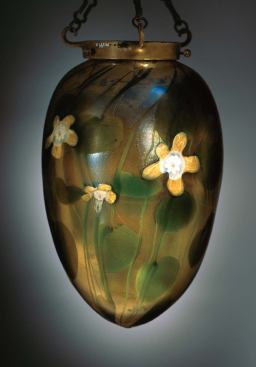
    The invention of iridescent, color-infused Favrile glass, considered Tiffany's greatest innovation, enabled craftsmen to embellish this blown glass lamp from the Fountain Court with variegated leaves and vines.

Tiffany is best known for his brilliantly colored leaded-glass lamps, which fetch astonishing prices on the antiques market. But the full impact of Tiffany's vision played out at Laurelton Hall, his 600-acre estate on the north shore of Long Island in New York. Tiffany designed and built an 84-room house on the property, decorating every exotic inch in homage to the restorative powers of the natural environment.

“Nature really drove a lot of what Laurelton Hall was,” says Alice Cooney Frelinghuysen, curator of “Louis Comfort Tiffany and Laurelton Hall: An Artist's Country Estate,” at the Metropolitan Museum of Art in New York. The exhibition, which opened in November and runs through May 20, 2007, seeks to recreate Tiffany's lost idyll—the house was destroyed by fire in 1957.

Frelinghuysen's selection of 250 salvaged architectural elements and other extraordinary objects from the house suggests the aesthetic power of a forgotten masterpiece, while providing a worthwhile reminder that nature was a preoccupation in architecture long before the advent of the green movement.

Tiffany directed a seemingly infinite number of designs for objects, interiors, and houses. His best-remembered architectural project is a mansion his father commissioned for the family at Fifth Avenue and 72nd Street in Manhattan. Completed in 1888, the 57-room Romanesque Revival residence was officially the work of Stanford White, but its design bears young Tiffany's unmistakable signature, especially on the interior. Outfitted with art glass and objects from Japan, India, and Pompeii, the Fifth Avenue interiors served as a showcase for Tiffany's emerging vision. But even this astonishing beauty was eclipsed by the Long Island dream house.

Laurelton Hall was a total work of art and an aesthetic argument for the benefits of living in harmony with nature. Tiffany devoted himself to its design from 1902 to 1905. Vintage photos show a sprawling, vaguely Moorish manse; its oxidized copper roof formed a brilliant green canopy over a stucco façade. Windows glowed with spectacular mosaics of amethyst wisteria, burnt orange pumpkins, and goldfish. Column capitals were dressed up with motifs of blooms cultivated on the landscape, which descended to a private beach on Long Island Sound.

Tiffany had intended for his estate to sustain future generations of artists. But the Utopian dream of a creative summer colony began to fade after the 1929 stock market crash. In 1932, a year before Tiffany's death, his studio declared bankruptcy. Laurelton Hall's furnishings and objects were not dispersed until a five-day auction in 1946. Three years later, the property was sold, with leaded windows in place, for $10,000, but the house was largely unoccupied. The disastrous and still mysterious fire, which lasted for 24 hours, sealed Laurelton Hall's fate.

On Frelinghuysen's initial visit, little more than a Moorish minaret inset with iridescent blue tiles, which Tiffany had designed as a smokestack, remained amid houses built in the early 1960s. Had Laurelton Hall's richly organic interiors survived intact, she believes, Tiffany's country home would have been “the most important historic house in America.” If the house is lost to history, the exhibition's recreation of Tiffany's rooms will inspire today's architects, who are forging a new kind of relationship between building and nature.