In contemporary commercial architecture, sustainability has evolved far beyond energy efficiency and operational carbon. Today, forward-thinking designers are scrutinizing every layer of the built environment, placing material health at the core of human-centric design. Among the most pivotal shifts in product specification is the growing demand for PVC-free materials. As architects face mounting pressure to deliver high-performance spaces that safeguard both planetary health and indoor environmental quality (IEQ), integrating innovative, low-impact materials has become a powerful strategy for responsible specification.
The Driver Behind the Shift: Material Transparency and Human Health
Architects are increasingly adopting a holistic approach to wellness, recognizing that buildings should actively nurture occupants. Traditional building materials can introduce chemical additives, plasticizers, and persistent bioaccumulative toxins into the indoor ecosystem. By contrast, specifying PVC-free alternatives helps mitigate indoor air quality concerns and reduces exposure to potentially harmful lifecycle chemicals.
Furthermore, the architecture and design community is no longer satisfied with vague eco-claims. Driven by frameworks such as LEED, WELL, and the Living Building Challenge, specifiers want clarity on material ingredients and Red List considerations. Choosing PVC-free material platforms empowers design teams to meet ambitious corporate and institutional ESG goals with scientific backing.
Circularity and End-of-Life Responsibility
Beyond human health, material specification is increasingly dictated by circular economy principles. Architects are tasked with designing spaces that minimize embodied carbon and waste across a building’s entire lifecycle. Many traditional resilient flooring solutions complicate end-of-life recovery due to complex chemical compositions and recycling hurdles.
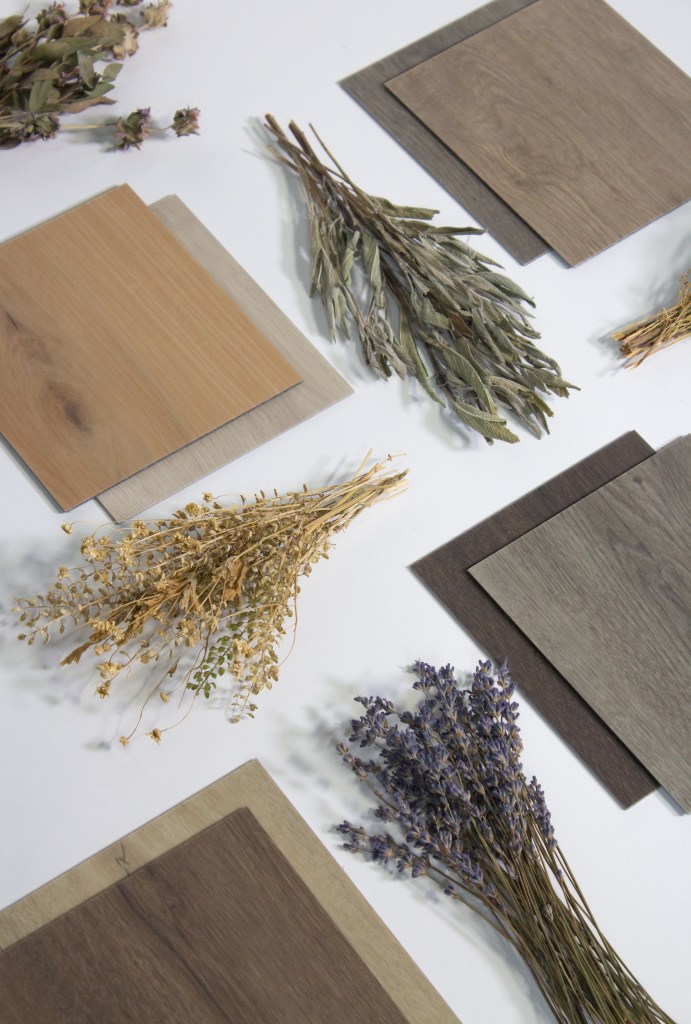
To meet these evolving demands, manufacturers are expanding cohesive soft and hard surface portfolios that eliminate PVC while maintaining rigorous commercial performance. For example, all Mohawk Group soft surface products—including carpet tile, broadloom, and area rugs—are completely PVC-free. In the hard surface category, innovations like the Hot and Heavy II, Secoya 3.0 PVC Free and Hot and Heavy II, Bolder 3.0 PVC Free collections deliver the familiar stability, durability, and maintenance standards of traditional commercial flooring in Red List-free formulations. This ensures architects no longer have to compromise on heavy-duty performance to achieve their environmental targets.
Innovating for the Future
As the design industry moves toward a regenerative future, the path forward relies on continuous material evolution. Leading manufacturers are answering the call by engineering high-performance, PVC-free portfolios across both soft and hard surface platforms designed for transparency and lower environmental impact.
Ultimately, specifying PVC-free is not just about avoiding a single chemical compound; it represents a broader commitment to intentional, regenerative design. By prioritizing material health and transparency, architects are redefining what commercial interiors can achieve—crafting spaces that look exceptional, perform under pressure, and respect the world we share. Put more informed material choices at the foundation of your next project. Explore Mohawk’s approach to sustainability.