Readily attached to the main house structure and stacked, each n…
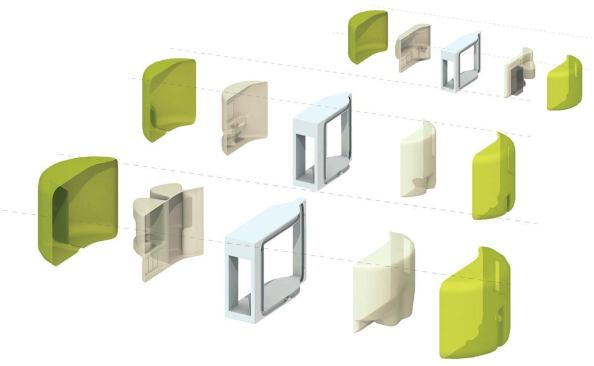
Readily attached to the main house structure and stacked, each node has a molded insert that determines its function.
Readily attached to the main house structure and stacked, each n…
Readily attached to the main house structure and stacked, each node has a molded insert that determines its function.
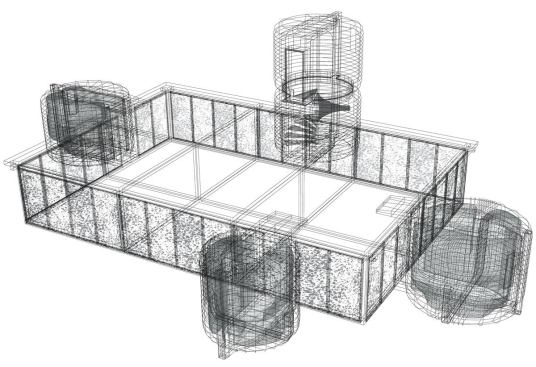
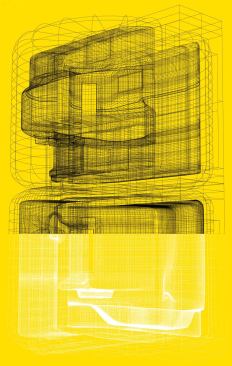
Full House Wireframe
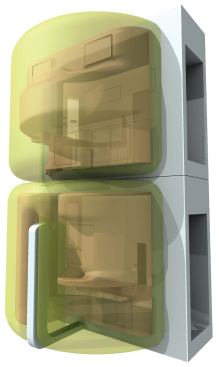
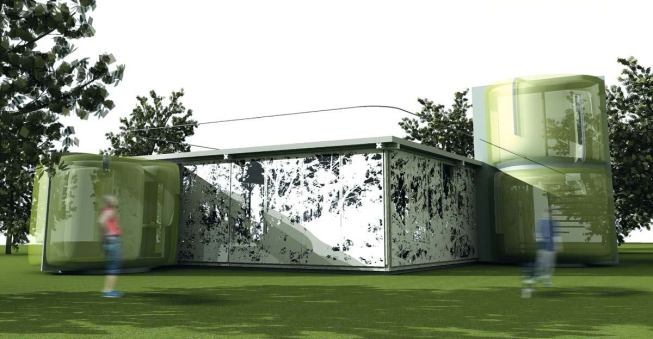
Kitchen node stacked on full bath
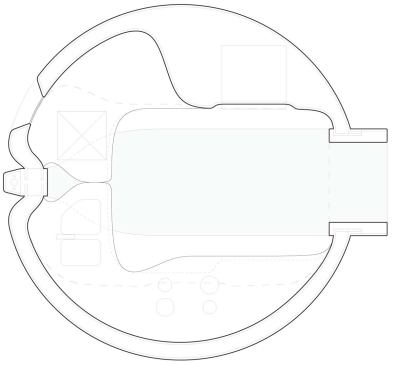
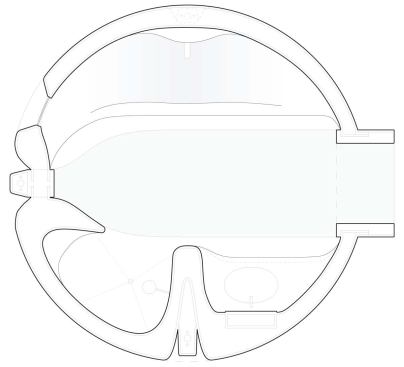
Powder room node plan
Molded and insulated inserts, placed betw…
Powder room node plan
Molded and insulated inserts, placed between the nodes' core and shell, determine the use and floor plan of the space. All fixtures come standard, and because of the nature of the nodes' mass production, elements are fixed in place.
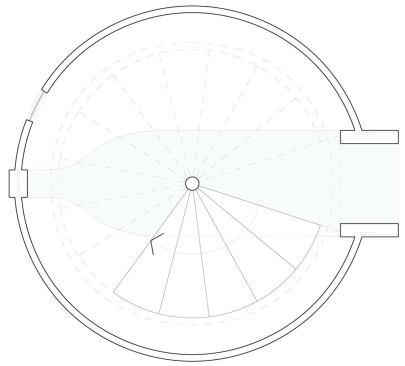
Stair node plan
Molded and insulated inserts, placed between th…
Stair node plan
Molded and insulated inserts, placed between the nodes' core and shell, determine the use and floor plan of the space. All fixtures come standard, and because of the nature of the nodes' mass production, elements are fixed in place.
Kitchen node plan
Molded and insulated inserts, placed between …
Kitchen node plan
Molded and insulated inserts, placed between the nodes' core and shell, determine the use and floor plan of the space. All fixtures come standard, and because of the nature of the nodes' mass production, elements are fixed in place.
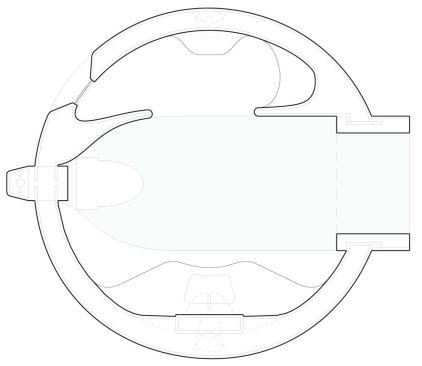
Full bath node plan
Molded and insulated inserts, placed betwee…
Full bath node plan
Molded and insulated inserts, placed between the nodes' core and shell, determine the use and floor plan of the space. All fixtures come standard, and because of the nature of the nodes' mass production, elements are fixed in place.
Powder room node stacked on full bath node
Stacking nodes can h…
Powder room node stacked on full bath node
Stacking nodes can help reduce the amount of pipes and wiring by combining all water-demanding rooms (such as a bathroom and a kitchen) into one unit.
The kit-of-parts nature of the node system allows owners to conf…
The kit-of-parts nature of the node system allows owners to configure their houses in a variety of ways to best accommodate their individual needs.
The kit-of-parts nature of the node system allows owners to conf…
The kit-of-parts nature of the node system allows owners to configure their houses in a variety of ways to best accommodate their individual needs.
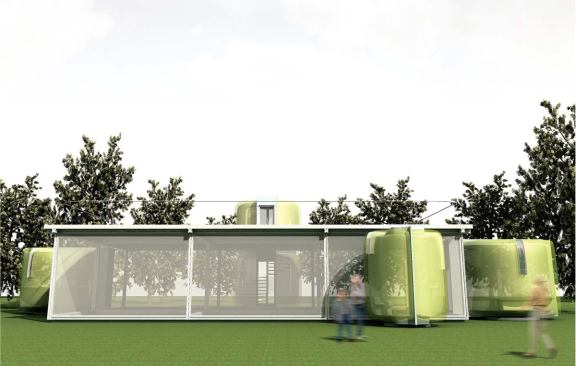
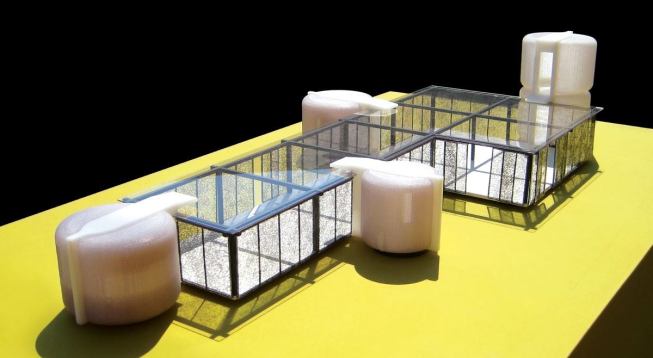
Inspired by the clean lines and diverse forms of 1960s Italian product design, Nodul(ar) House puts the mod in modular housing. This series of four nodes connects to a kit of extruded aluminum parts and offers a systematic approach to the kitchen, the powder room, the full bath, and the staircase. The nodes are extremely versatile and surprisingly compact: the kitchen, bath, and stair nodes are circular in plan and roughly 12 feet in diameter, and the powder room is even smaller. The nodes can be stacked to service a second floor and placed at many points along the perimeter of the prefabricated aluminum structure (a system of 4-foot-by-8-foot panels). As a result, living space stays free for different configurations. Juror Sarah Herda appreciated that such options are “forcing people to come to terms with how they want to live.”
Another level of customization comes from panels cladding the aluminum frame, which are cut with a laser or water jet to provide shade and privacy. The panels can be made in a variety of materials, including wood and glass. The juxtaposition of the panelized structure and the nodes intrigued juror Thomas Phifer: “The most interesting thing to me is this spatial diversity of living in the glass building and then having a completely different spatial circumstance inside these pods.”
The nodes are manufactured in a factory and then brought to the site and installed on the foundation. Each is structured like an onion, in layers, with a central spine that contains all utilities, including plumbing, electrical, and HVAC. When the pods are stacked, the utilities can be run together, like the plumbing in upstairs and downstairs bathrooms in a conventional house. The central core is enveloped by an inner liner of molded fiberglass, which determines the use of the space. A layer of insulation is added, followed by the outer fiberglass shell. The result is a standardized and compact volume that is as sleek as an iPod.
Project: Nodul(ar) House Location: varies Architect: Tighe Architecture, Santa Monica, Calif.-Patrick Tighe, Yosuke Hoshina, Risa Tsutsumi, Karla Mueller, Lisa Little (project team) Year Founded: 2000 Number of Employees: 6 Client: Jeriko House Cost: varies Size: varies