Play Slideshow >>
Asmara Modern
http://www.architectmagazine.com/Images/tmpAAE7%2Etmp_tcm20-164725.jpg
600
Stefan Boness
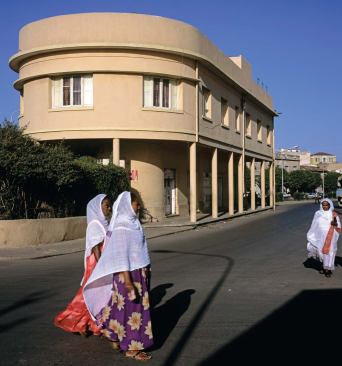
Eritrean women in traditional dress pass an apartment building, formerly the Palazzo Bahobesci, built in 1936 and recently renovated. Asmara has such a wealth of modernist buildings from the 1930s and after that locals pay them no special attention.
http://www.architectmagazine.com/Images/tmpAAE8%2Etmp_tcm20-164732.jpg
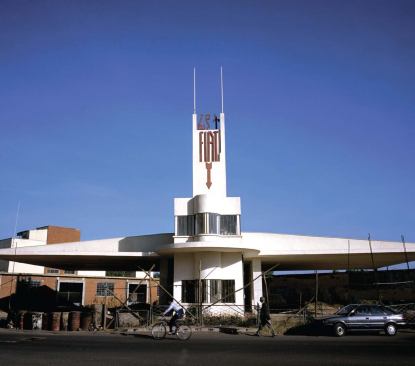
The Fiat Tagliero service station, designed by Italian architect Giuseppe Pettazzi and built in 1938. Probably the best example of futuristic architecture in Africa, the structure (no longer a service station) was freshly painted a few years ago and may be converted into a coffee shop.
http://www.architectmagazine.com/Images/tmpAAE9%2Etmp_tcm20-164739.jpg
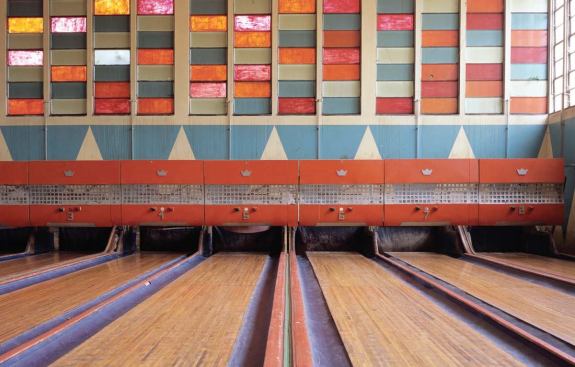
Asmara's bowling alley, built in the late 1960s. One of the few places where locals and expatriates go for recreation, the alley is not fully automated, which means the pins have to be set by hand.
http://www.architectmagazine.com/Images/tmpAAEA%2Etmp_tcm20-164746.jpg
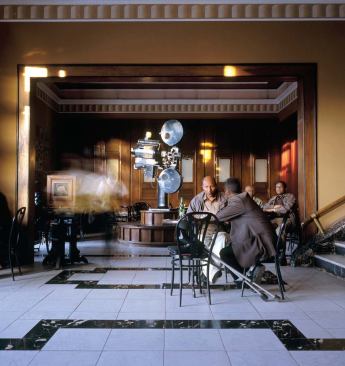
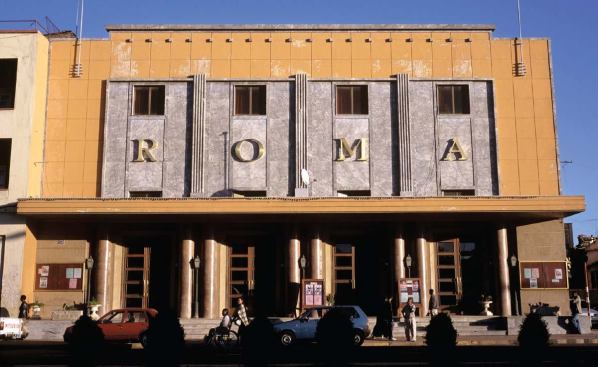
Asmara's Cinema Roma underwent a major renovation three years ago. The cinema, built in two phases under different Italian architects (Roberto Cappellano, 1937, and Bruno Sclafani, 1944), now includes a popular coffee shop and is decorated with items from its history, such as the projector seen here.
http://www.architectmagazine.com/Images/tmpAAEB%2Etmp_tcm20-164753.jpg
The façade of the cinema, partly clad in marble, shows the strong influence of the Italian Art Deco style.
More of Stefan Boness' photos of Asmara are in the book Asmara: The Frozen City, published by Jovis Verlag.
Post your comment below. If you wish, enter a username and password though they are not required. Please read our Content Guidelines before posting.
Enter the code shown in the image
Username is optional
Enter a password if you want a username