National Septermber 11 Memorial & Museum
The Eisenhower Memorial is in danger again. Now, some members of the Eisenhower family, Republican lawmakers, and aesthetic conservatives have teemed up to foil its construction not through arguments about its design, but through legislative fiat based on a monetary strategy. Bob Bishop (R-Utah) has introduced a bill to eliminate the memorial’s funding and propose a different design. They might win.
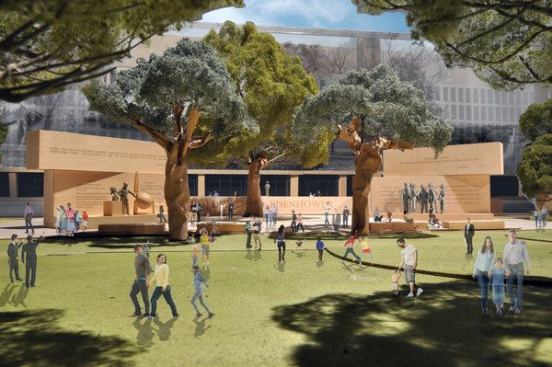
The argument that the monument has become expensive has some merit, but then again, part of that is the result of the continual sniping on the part of those who would prefer a more traditional format. They have made Frank Gehry, FAIA, redesign the project several times. In addition, the project is and never was one that foresaw just a statue or object, but rather a call for a monument that encompasses a city square surrounded by bland buildings that any designer will have to screen out, as Gehry has done, as well as the creation of a space that will serve as place where we can reflect on the values for which Eisenhower stood.
That last point is interesting, because the whole anti-Gehry effort hinges, at least ostensibly, on the idea that his work emphasizes the general and president’s humbleness and common sense approach over any kind of abstract heroics. As Justin Shubow, who has appointed himself the point person of the anti-Gehry design movement, put it: “Monuments are civic art that cause us to solemnly reflect on who we are and what we value. They are timeless and possess grandeur. They present an ideal we aspire to rather than warts-and-all reality.”
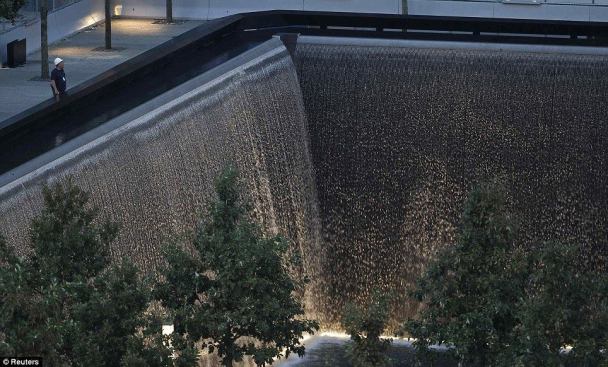
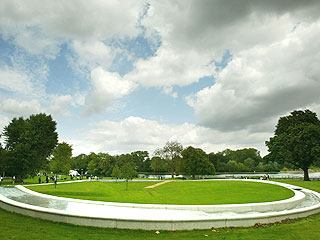
Shubow is right that this is the traditional notion of monuments. What it fails to recognize is three aspects of the current situation. First, we want to remember Eisenhower exactly because he brought what I, for one, think of as particularly American values to positions of power. This is, after all, the man who warned us of the “military-industrial complex” and was always proud of his humble Kansas roots. Second, the nature of monuments has changed. We are more likely to be impressed and moved by ephemeral expressions of grief, as when people lay masses of flowers at the sites of tragedies, and we remember timeless values not because something impresses us through size or connection to the forms of a past culture (such as classicism), but because it moves and stirs us—the Vietnam Veterans Memorial, National September 11 Memorial, and the Diana Fountain are good examples. Third, this is not a site in the center of the Mall or in a park. It is in the middle of office buildings and must work to create a moment of reflection within that context. I do not think there are any warts in this memorial. The design will show us a version of one man’s life that is worth remembering and learning from. It will create a space to do so. Such arguments otherwise are, I am afraid, beside the point.
The reality is that the memorial has become part of a political debate that is being pursued through the kind of ugly tactics that are overwhelming our civic life. I do not think anybody is looking at the actual design. They are pursuing culture and petty political wars through architecture. It makes me think that we have learned nothing from the memorials that dot the Washington landscape. Perhaps what we really need is a place to memorialize the death of civic culture.
Aaron Betsky is a regularly featured columnist whose stories appear on this website each week. His views and conclusions are not necessarily those of ARCHITECT magazine nor of the American Institute of Architects.